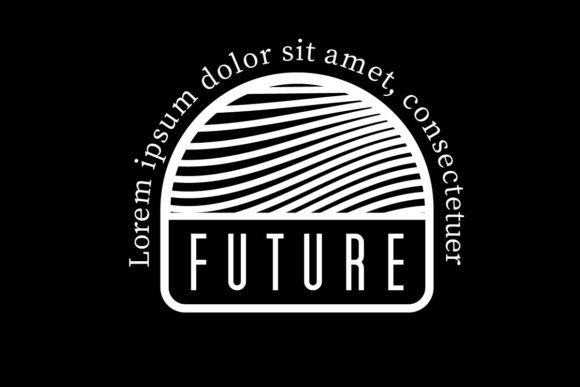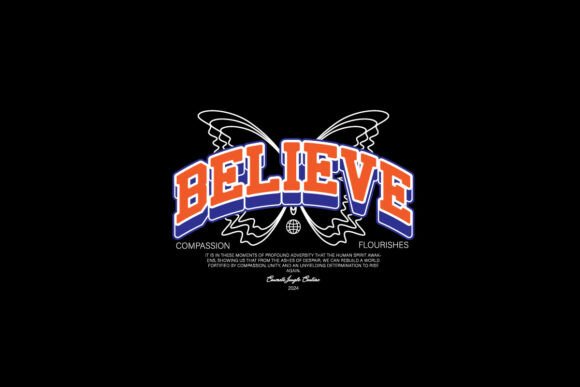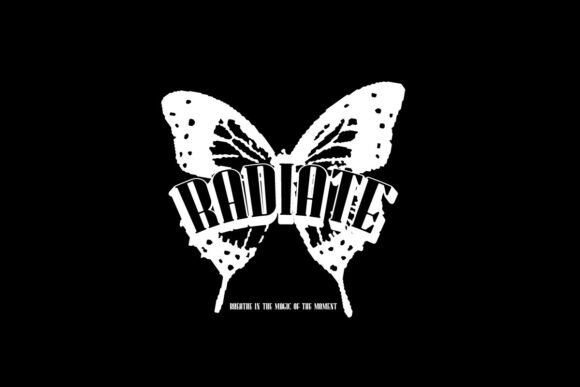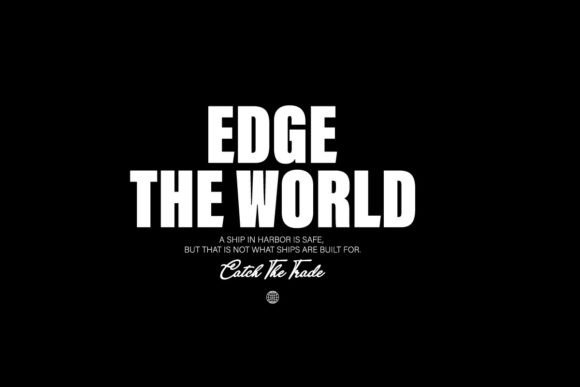
Future Streetwear Graphic Tee Designs: Beyond the Trend
The world of streetwear is a constantly shifting landscape, but some elements possess a timeless edge. Future Streetwear Graphic Tee Designs capture that exact energy. These aren't just fleeting trends; they are carefully crafted aesthetic statements built for longevity. Think of them as a premium font for your clothing line—versatile, impactful, and designed to communicate a specific vibe without saying a word.
Anatomy of a Modern Streetwear Aesthetic
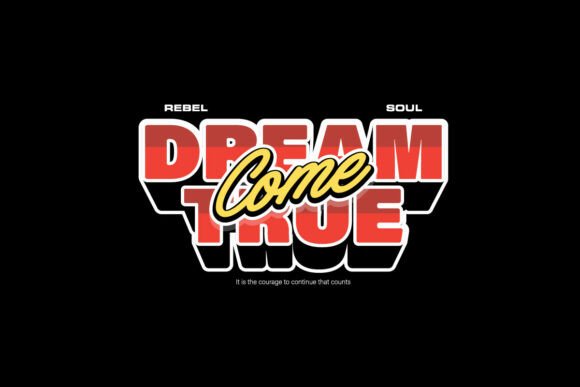
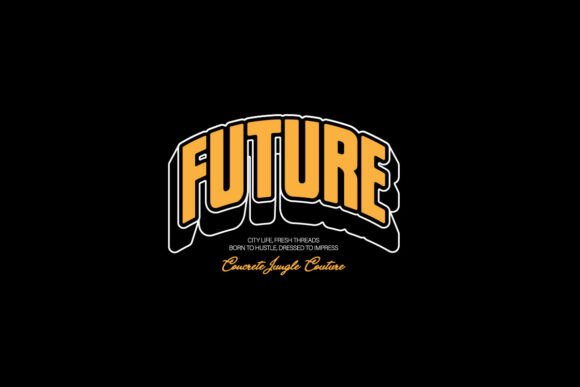
At its core, Future Streetwear Graphic Tee Designs are defined by a blend of nostalgic futurism and gritty urban typography. The style often merges elements of brutalist design with clean, modern sans serif principles. You will see heavy use of distorted letterforms, glitch effects, and monospaced aesthetics that evoke a sense of digital decay. This creates a visual hierarchy that is aggressive yet sophisticated. It is not just about being loud; it is about creating a mood. The personality is rebellious, introspective, and distinctly modern, appealing to an audience that values authenticity over mass-market appeal.
The visual characteristics rely heavily on negative space and high-contrast compositions. Unlike traditional display fonts that focus solely on legibility, these designs use text as a texture. The weight of the strokes varies, sometimes mixing heavy block letters with thin, technical sans-serif components. This creates a dynamic rhythm on the fabric. For a brand strategist, this means you are working with assets that already possess a strong visual hierarchy, reducing the need for complex layouts to make the design feel "complete."
Strategic Applications for Brands and Creators
While the name suggests apparel, the utility of these vector files extends far beyond the t-shirt. Because the files are provided in scalable EPS formats, they serve as robust design assets for an entire brand identity. For entrepreneurs launching a clothing line, consistency is key. You can take the core graphic element—perhaps a stylized quote or an abstract glyph—and adapt it for hang tags, packaging design, and even web design headers.
Consider a content creator or a marketing agency. The raw, editorial nature of these graphics works exceptionally well for social media graphics. A distorted, aesthetic quote can serve as a powerful background for an Instagram story or a YouTube thumbnail, instantly signaling a cool, contemporary vibe. For bloggers and publishers, these designs can break up the monotony of standard editorial design. Using a cropped section of a streetwear graphic as a pull-quote background or a section divider adds a layer of tactile realism to digital pages.
The versatility also applies to physical merchandise. The "Future Streetwear" aesthetic translates beautifully to sublimation printing, where the ink bonds directly with the fabric. This allows for edge-to-edge printing that preserves the integrity of the vector lines. Whether you are creating hoodies, tote bags, or posters, the scalability ensures that the design remains crisp, whether it is printed on a business card or a billboard.
Mastering the Assets: From Vector to Vinyl
One of the most practical advantages of this collection is the file format. Receiving 100% vector source files in EPS format is a game-changer for production. Unlike rasterized images (like JPGs or PNGs), vector graphics are defined by mathematical equations rather than pixels. This means you can scale them up or down infinitely without losing quality. For a small business owner, this eliminates the headache of pixelation when resizing a design for different products.
The workflow is designed for efficiency. The files are compressed in a ZIP format, which you simply extract to access the layers. From there, the design becomes a playground. You can easily edit the vector files in software like Adobe Illustrator, Affinity Designer, or CorelDraw. This level of customization is vital for creating custom printed clothing. If the original color palette is too dark for a specific fabric, you can recolor the elements individually. If the composition is too wide for a children's shirt, you can remove or rearrange elements to fit the smaller print area.
Furthermore, these designs bridge the gap between digital and analog production methods. The high-resolution JPG included is perfect for quick mockups or direct-to-garment (DTG) printing where vector conversion isn't strictly necessary. However, for screen printing or vinyl cutting, the vector paths are essential. The clean lines ensure that automated cutting machines can trace the design accurately, preventing jagged edges on heat transfers.
Choosing and Implementing Your Design
Selecting the right design from a collection requires a strategic eye. Do not just pick what looks "cool"; pick what aligns with your project's narrative. If your brand identity leans towards a tech-wear or cyberpunk aesthetic, look for designs with sharp angles and metallic gradients. If your vibe is more lo-fi or vintage, look for the distressed textures and softer, serif-inspired lettering often found in streetwear typography.
Testing is a crucial step before committing to a large print run. Always view the design at actual size to evaluate readability. A complex, aesthetic quote might look stunning on a monitor but could become illegible on a moving target like a t-shirt. Use the included JPG to create a mockup and view it on a phone screen to simulate how it will look in the wild.
Finally, consider the font pairings within the design itself. Many Future Streetwear Graphic Tee Designs utilize a mix of typographic styles—perhaps a bold, condensed headline paired with a monospaced body text. Understanding this internal pairing helps you when designing the surrounding elements of your merchandise. You want to maintain that visual consistency. By leveraging these vector assets correctly, you move from simply printing graphics to building a cohesive, professional visual language that resonates with your audience.