Nothing Left Y2k Graphic Design: A Bold Statement for Modern Brands
There's a certain raw energy in the early 2000s aesthetic that's making a powerful comeback, not as a nostalgic replica, but as a reinterpreted force for contemporary streetwear and graphic design. The Nothing Left Y2k Graphic Design collection captures this perfectly. It’s not just a set of graphics; it’s a visual language built on the tension between digital glitch, gritty urban texture, and a distinctly Y2K-era futuristic pessimism. This isn't your average clip art. It’s a curated suite of design assets engineered for creators who build brands from the ground up—entrepreneurs, apparel designers, and content creators looking for an edge that feels both authentic and urgently current.
Decoding the Visual DNA
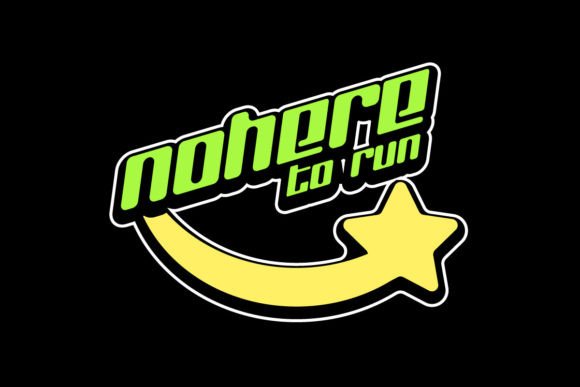
What sets the Nothing Left Y2k Graphic Design collection apart is its cohesive personality. Think distorted typography, fragmented digital artifacts, and motifs that reference early internet culture, surveillance aesthetics, and a kind of beautiful decay. The style leans into a modern typography approach that deconstructs letterforms, making it ideal for logo design and branding that needs to stand out in a saturated market. The graphics often play with negative space and layered textures, creating depth that translates exceptionally well to both screen and fabric. This is premium font territory for the visual system, where every element feels intentionally placed to evoke a specific mood—thought-provoking, slightly rebellious, and undeniably stylish.
Practical Power: From Vector File to Finished Product
The real value of this collection lies in its practical application. Delivered as 100% vector source files in EPS format, along with high-resolution JPGs, the Nothing Left Y2k Graphic Design kit is built for production. Vector files are the industry standard for a reason: they allow infinite scaling without quality loss. This is critical for t-shirt sublimation, screen printing, embroidery, and large-format merchandise like posters or banners. You can confidently scale a design from a chest print to a full-back graphic without a single pixelated edge.
The flexibility extends to customization. In any vector graphics software like Adobe Illustrator or Affinity Designer, you can easily transform, scale up & down, add & remove elements or text, recolor without losing the quality. This adaptability is what transforms a static graphic into a core component of a brand identity. A streetwear brand could use a central motif from the collection across its apparel, hang tags, and website headers, ensuring instant recognition. A content creator might adapt a textured background element for their YouTube thumbnails or podcast cover art, creating a consistent visual signature.
Strategic Applications for Creators and Businesses
Understanding where a creative font and graphic style like this excels is key to leveraging its full potential. Its inherent visual weight and detail make it a powerful display font companion for headlines, logos, and hero graphics. It’s less suited for long-body text but perfect for impact statements.
- Streetwear & Apparel: This is its native habitat. Use the graphics for all-over prints, back prints, sleeve details, and label art. The aesthetic aligns perfectly with the values of modern streetwear fashion brands seeking unique, conversation-starting designs.
- Digital & Social Media: The gritty, high-contrast visuals pop on screens. They are excellent for Instagram story backgrounds, TikTok video overlays, Twitch stream overlays, and bold website banners that need to capture attention in milliseconds.
- Editorial & Packaging Design: For music album covers, zine layouts, or packaging for niche products (think tech accessories, vinyl records, or artisanal goods), these graphics add an immediate layer of curated cool and subcultural credibility.
- Branding & Marketing: When building a brand identity for a project targeting a young, design-savvy audience, incorporating elements from the Nothing Left Y2k Graphic Design collection can set a distinct tone. It communicates a brand that is aware of design history and isn't afraid to be bold.
Making It Work: Integration and Pairing
Successfully integrating a strong stylistic element like this requires thoughtful pairing. To maintain readability and visual hierarchy, pair the detailed Y2K graphics with cleaner, simpler typefaces. A neutral sans serif font for body text or a straightforward serif font for longer copy can provide a necessary resting point for the eye, allowing the display graphics to command attention without causing visual fatigue.
When evaluating the collection for a project, start with a clear concept. Don't just apply a graphic because it looks cool. Ask: does this visual language align with the story my brand or project is telling? Test the graphics in context. Mock up a t-shirt design or a social media post to see how the elements interact with your existing color palette and other design assets. The ability to recolor the vectors is a major advantage here—you can shift the palette to match your brand colors precisely, ensuring seamless integration.
Finally, respect the licensing. The files are provided for commercial use, which is essential for entrepreneurs and small business owners creating merchandise for sale. Always review the specific license terms included with your download to ensure your intended use is covered, whether it's for print-on-demand, limited-run apparel, or digital products.
The Nothing Left Y2k Graphic Design collection is more than a download; it's a toolkit for building a distinct visual world. It offers a bridge between a potent cultural moment and the demands of modern digital and physical creation, providing the raw materials for brands and projects that aim to leave a lasting, textured impression.